Medium-dark roast · Brazil and Ethiopia · 5% organic cardamom · Cupping score 84
Read more
Our Traditional blend with 5% organic cardamom ground in, the way cardamom coffee is served across the Middle East. The coffee leads, with notes of dark chocolate and roasted nuts; the cardamom rises with the foam as a citrusy, aromatic lift and leaves a clean, spiced finish. Learn more
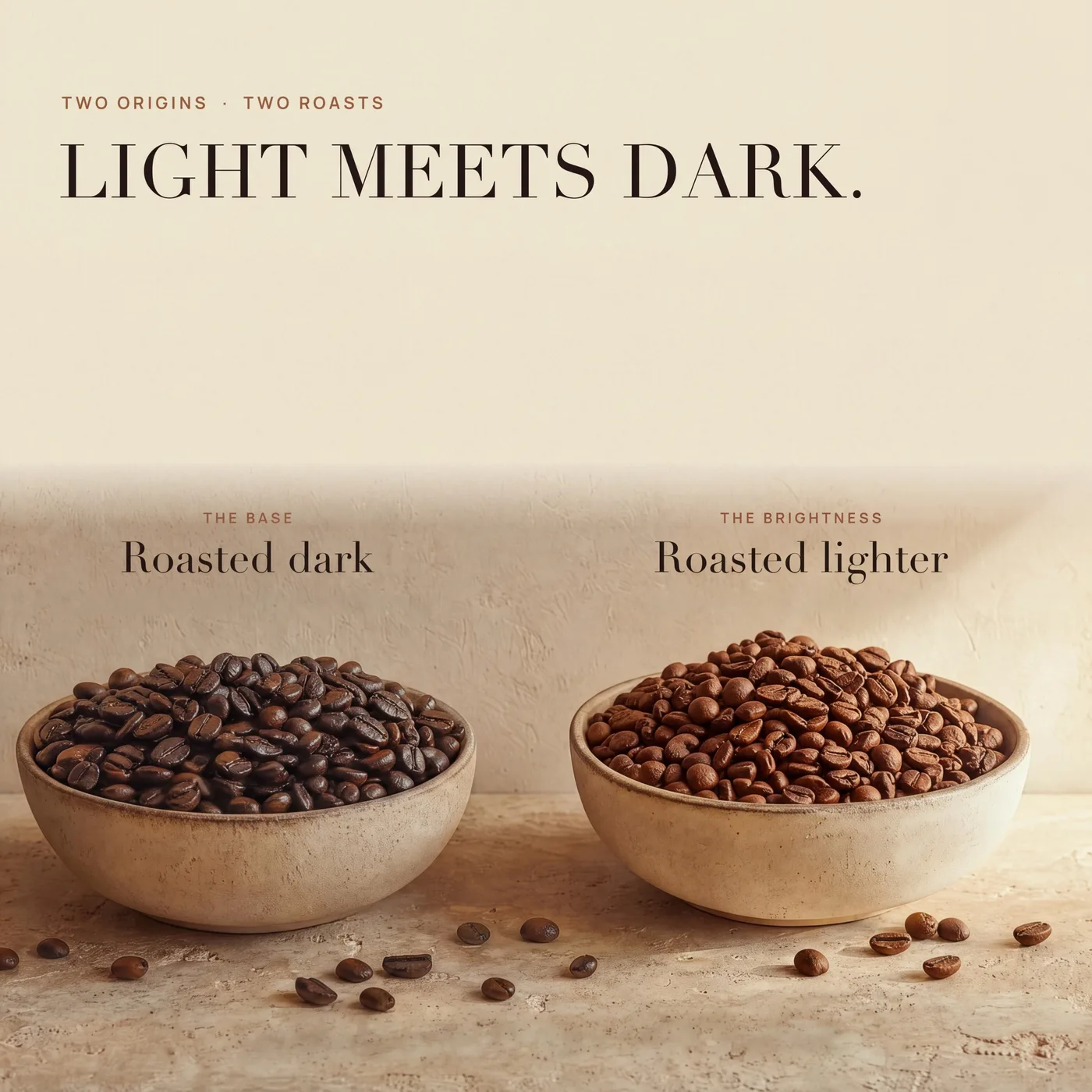
LIGHT MEETS DARK
Every great coffee has to choose: rich or bright. We chose both.
Two origins
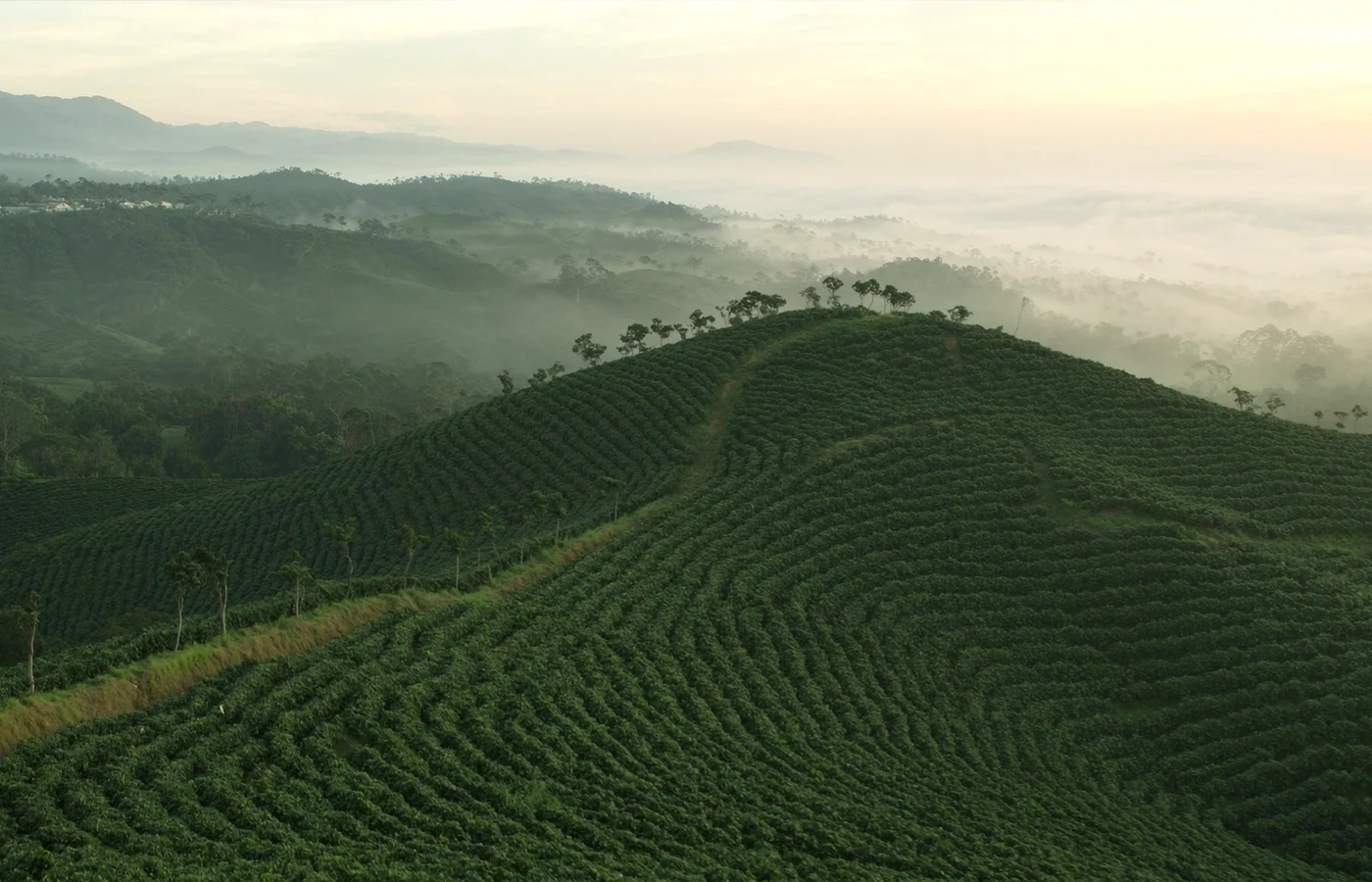
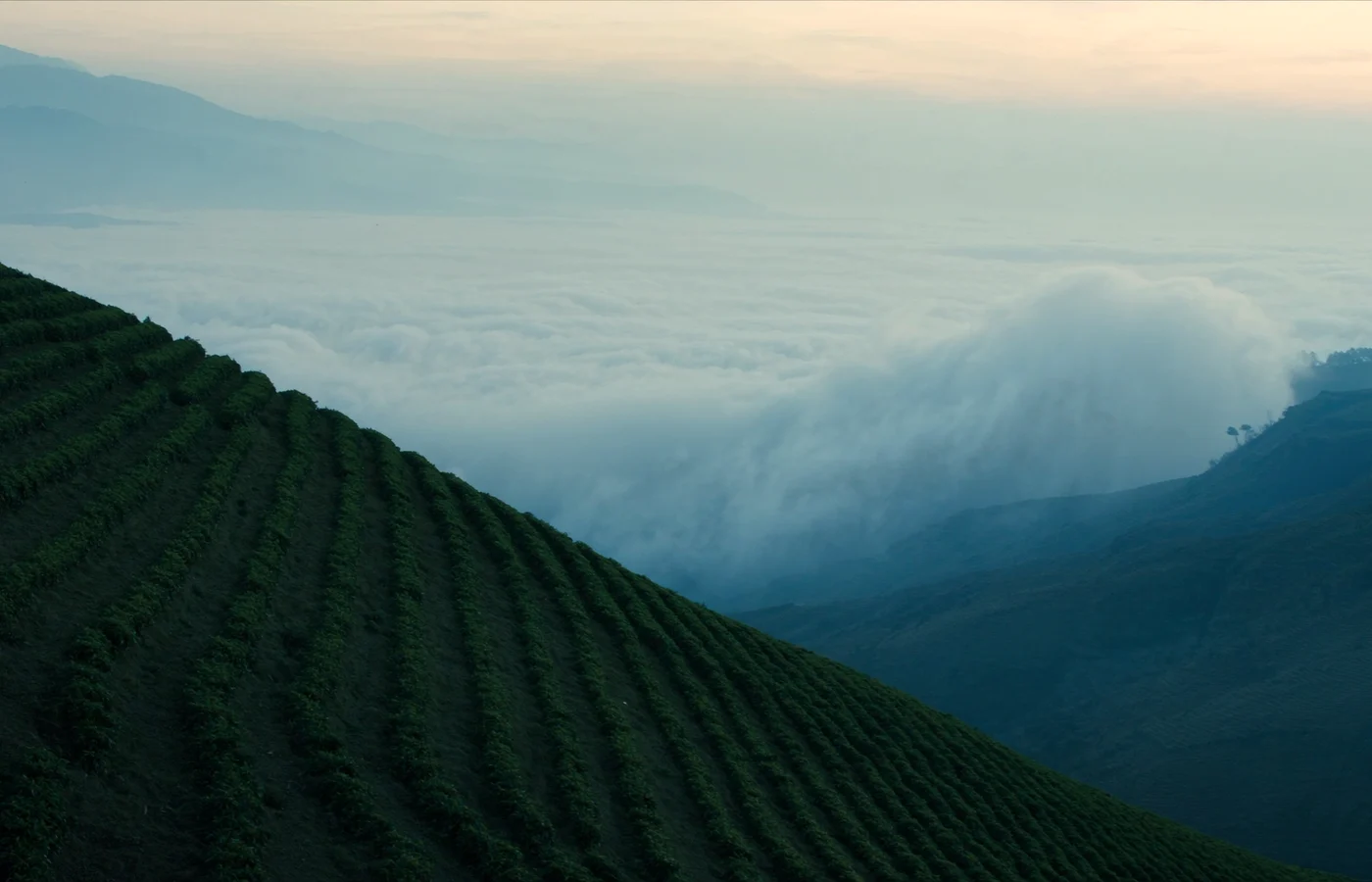
We found two specialty-grade arabicas, grown at different elevations. The rich one grows lower: low in acidity, velvety, with notes of dark chocolate and nut. The bright one grows higher: higher in acidity, lively and fruity. No single origin gives you both.
Two roasts
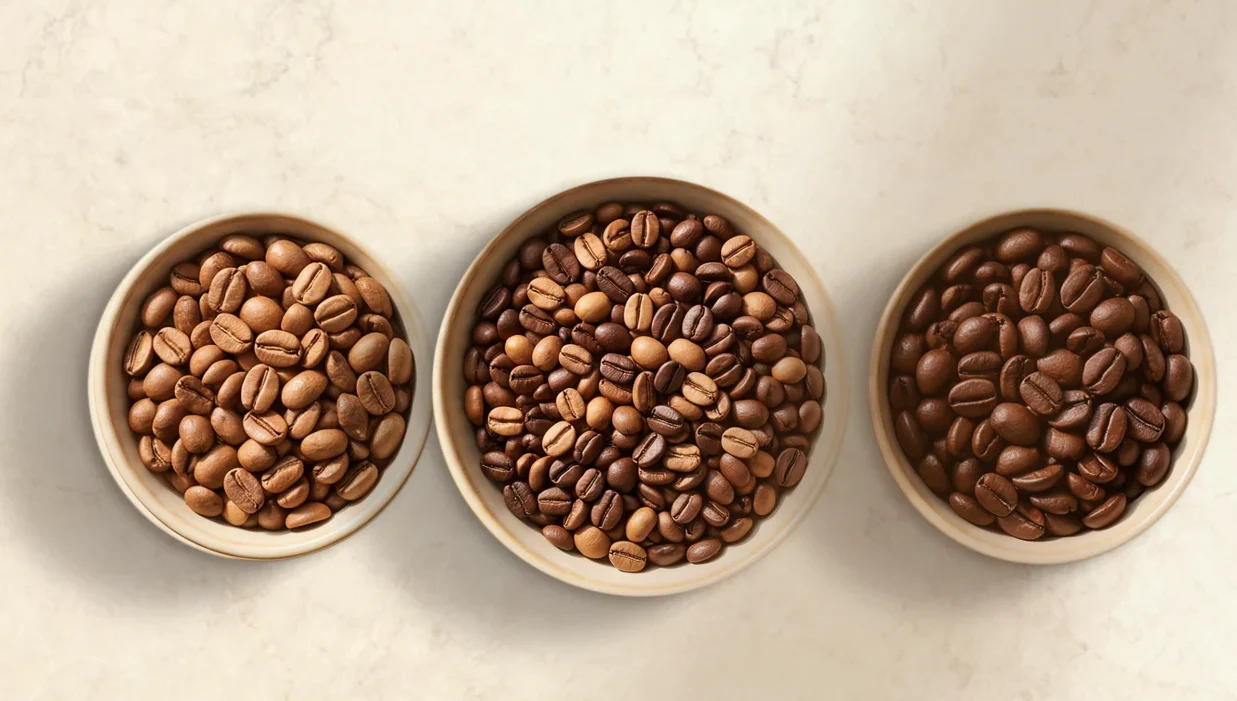
We roast the rich one dark, to add depth and build the base. We roast the bright one lighter, to keep its acidity and brightness.
One cup
Coffee merchants have blended origins for centuries. We roast each one first, then blend them to balance.
Why cardamom
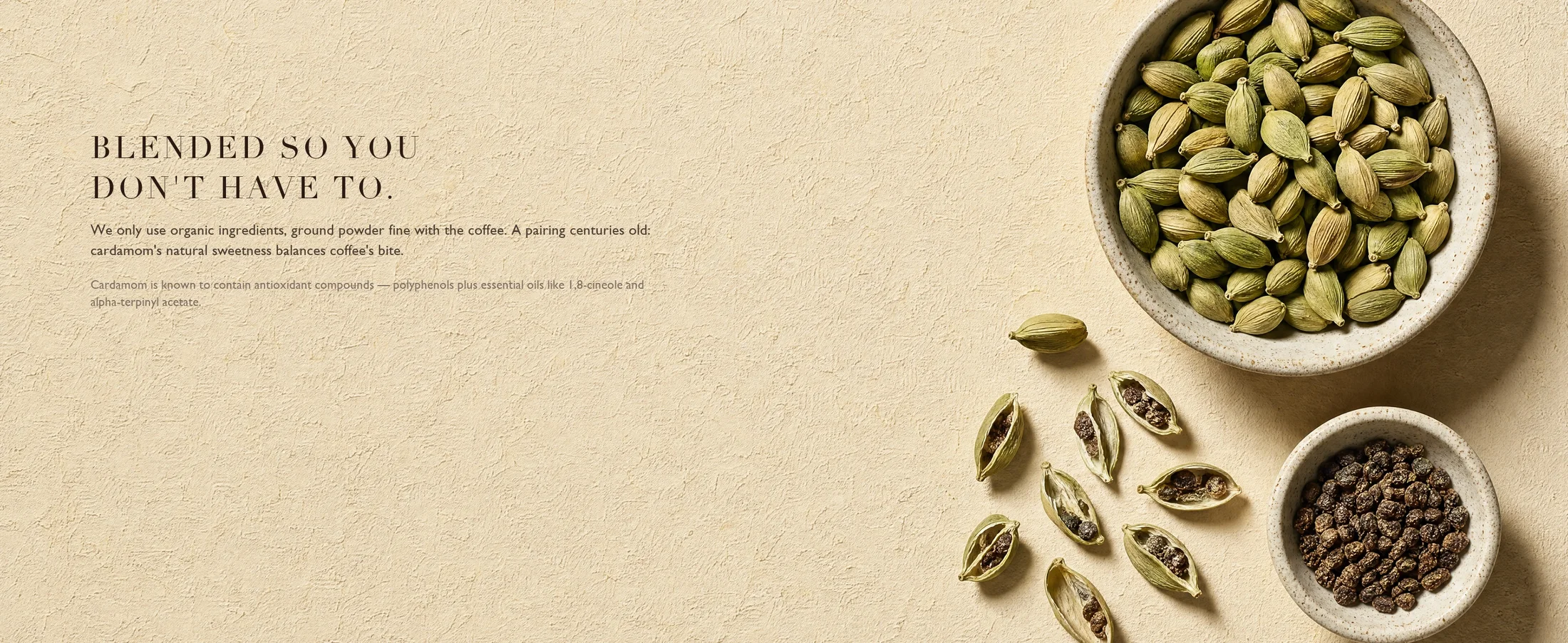
Coffee and cardamom have traveled together since the spice routes — it is still how coffee is served across much of the Middle East.
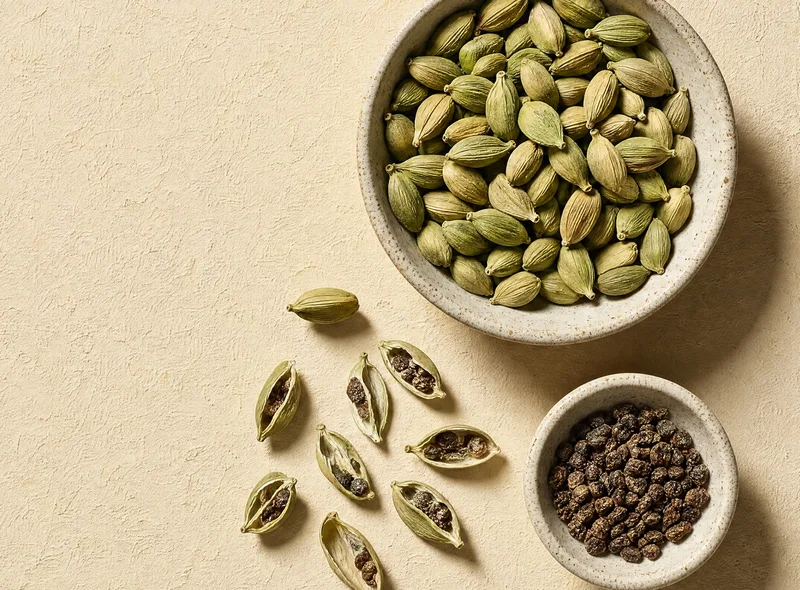
Lezzet Cardamom joins that tradition from the Turkish side: the same specialty-grade Arabica base as our Traditional, blended with 5% organic cardamom and ground powder-fine.
Cardamom is a lifting spice, not a heavy one. Its bright, citrusy aroma rises with the foam, lifts the dark chocolate and brings out the brightness of the light roast — which is why this is the cup people describe as "cozy" and "fragrant" in the same breath.
Two origins. Two roasts. One spice.
One beautiful flavor.
The story of cardamom
Coffee or cardamom — which came first? Cardamom, by more than three thousand years.
4,000 years agoFirst foraged wild in the rainforests of the Western Ghats, in southern India.
3,000 years agoSanskrit texts record cardamom in Ayurvedic preparations and sacred ritual.
2,700 years agoIt appears in Mesopotamian records — already luxury cargo moving west out of India.
2,400 years agoThe Greeks import it and give it its name, kardamomon; Rome later buys it in volume through the Red Sea ports.
600 years agoCoffee harvesting, roasting, and brewing take shape in Yemen.
Soon afterArab traders begin mixing cardamom into their coffee grounds — and the pairing never leaves the Middle East.
Why the pairing endures: cardamom's bright, citrusy notes lift the dark chocolate and bring out the light roast. Four thousand years of trade routes, and it ends up in your cup.
Before you order
What does cardamom Turkish coffee taste like?
Bright, citrusy cardamom over the dark-chocolate-and-nut base — it lifts the aroma rather than adding heat.
Can I use it to make Arabic coffee?
Yes, Levantine Arabic coffee, the Lebanese-style cup. That cup is powder-fine coffee with cardamom, brewed in a rakweh or cezve the same way as Turkish coffee, which is exactly what this bag is. Gulf qahwa is a different drink, made with lightly roasted coffee poured from a dallah.
Is the cardamom organic?
Yes — the cardamom ingredient is organic and milled with the specialty-grade Arabica. There are no flavorings, oils, or extracts.
Will the spice overpower the coffee?
No — the blend is measured so the cardamom rises with the foam while the coffee still leads the cup. If you want the plain base first, start with Traditional and come back when you are curious.
The roast
2 origins. 2 roasts. One blend.
Roasted in-house, in small batchesA new batch every few days gives us tighter control and keeps the coffee’s aroma and flavor fresh.
Inspired by the craft and tradition of Ottoman coffee merchants.