Menu
Read in order, or start at the series page.
A practical guide to the best Turkish coffee to buy: Traditional, Cinnamon, Cardamom and Whole Bean, plus where the world's best coffee is grown and 5 lb wholesale options.
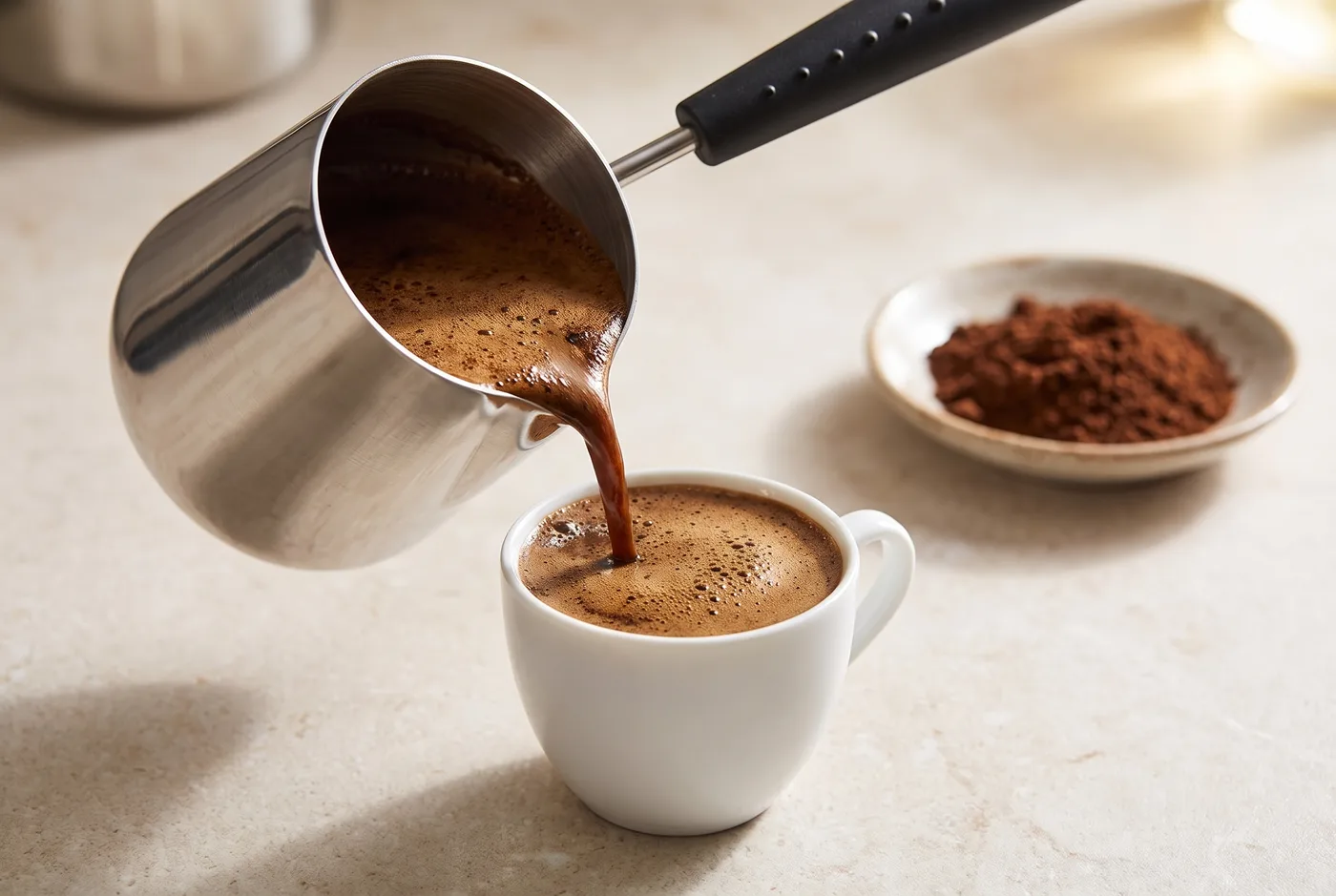
Everything from choosing the right grind to getting perfect foam.
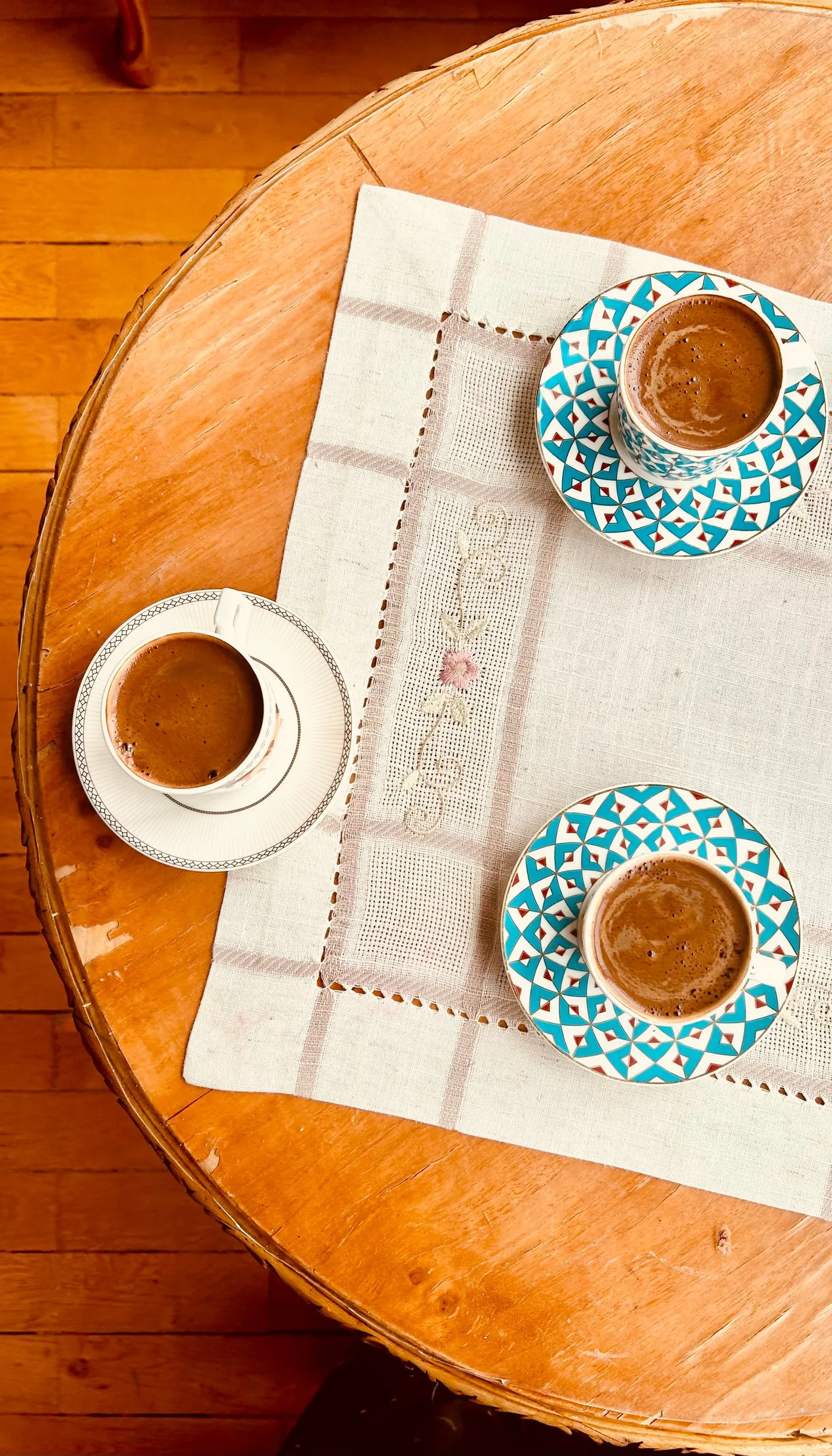
The full Turkish coffee ritual, from the first foam to the last sip before the sediment.
How to keep Turkish coffee fresh after opening by pressing air out, resealing the bag, and storing it away from heat, light, and moisture.
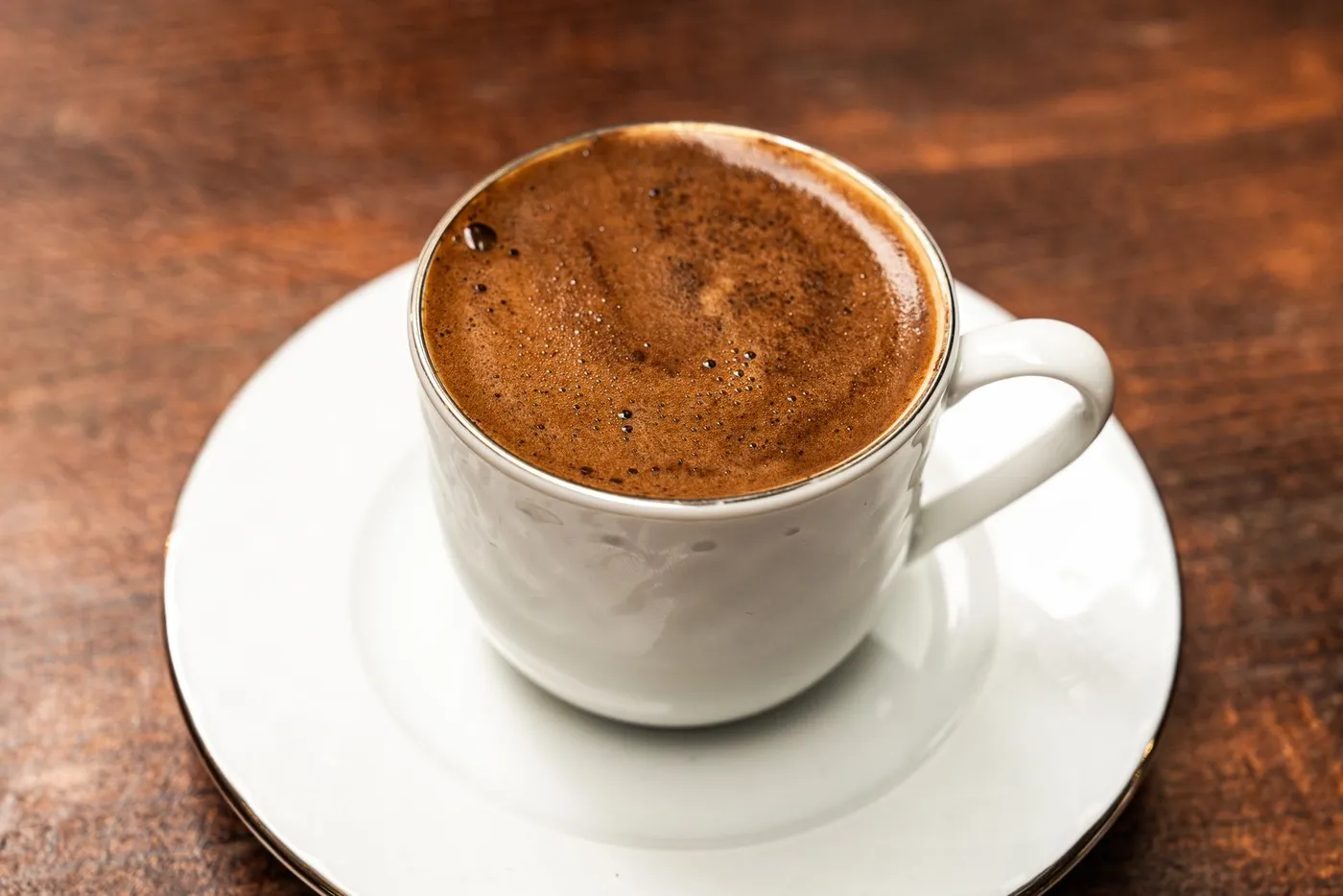
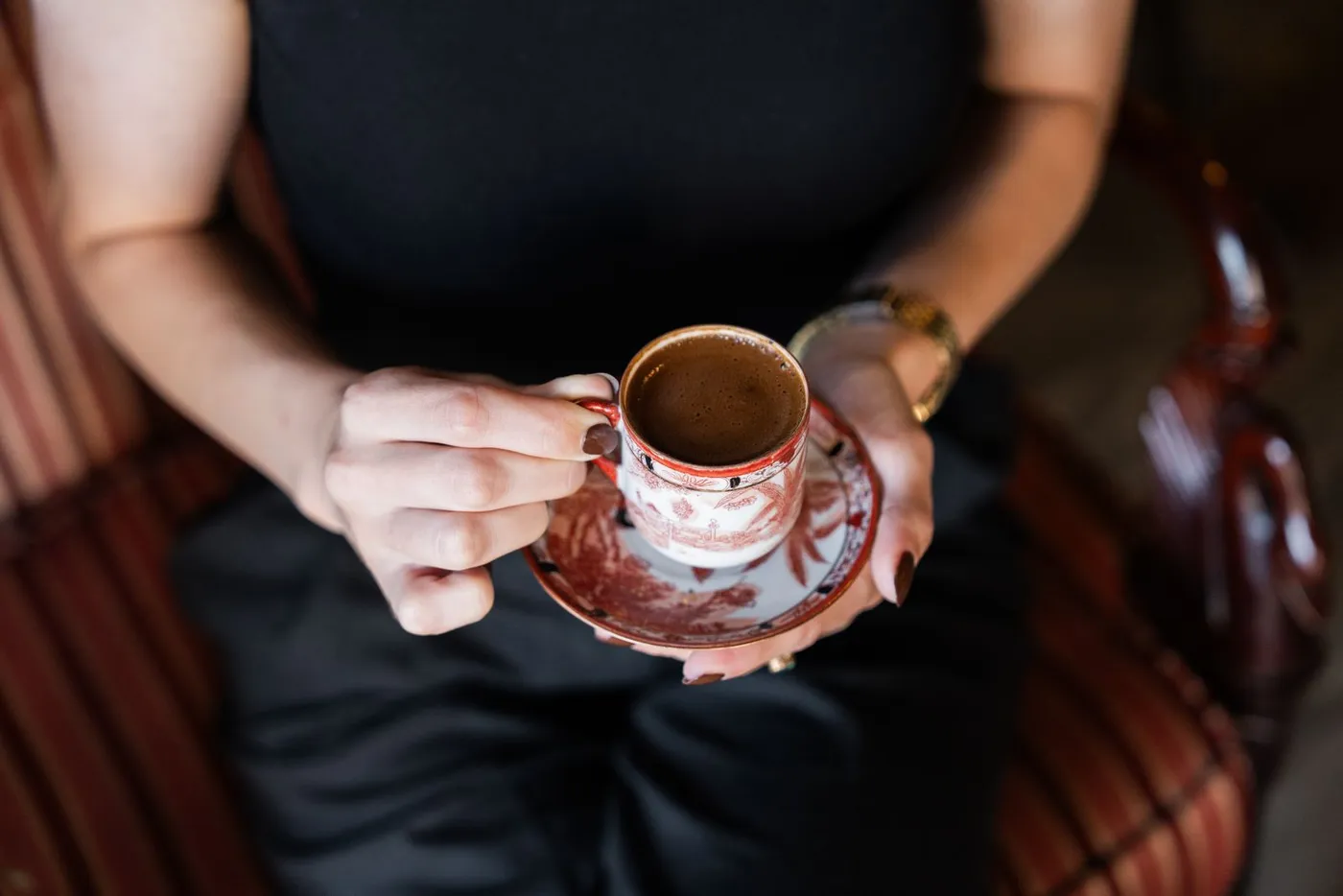
What is in the cup, how it tastes, how strong it is, how it compares with drip and espresso, and the Turkish words to know.
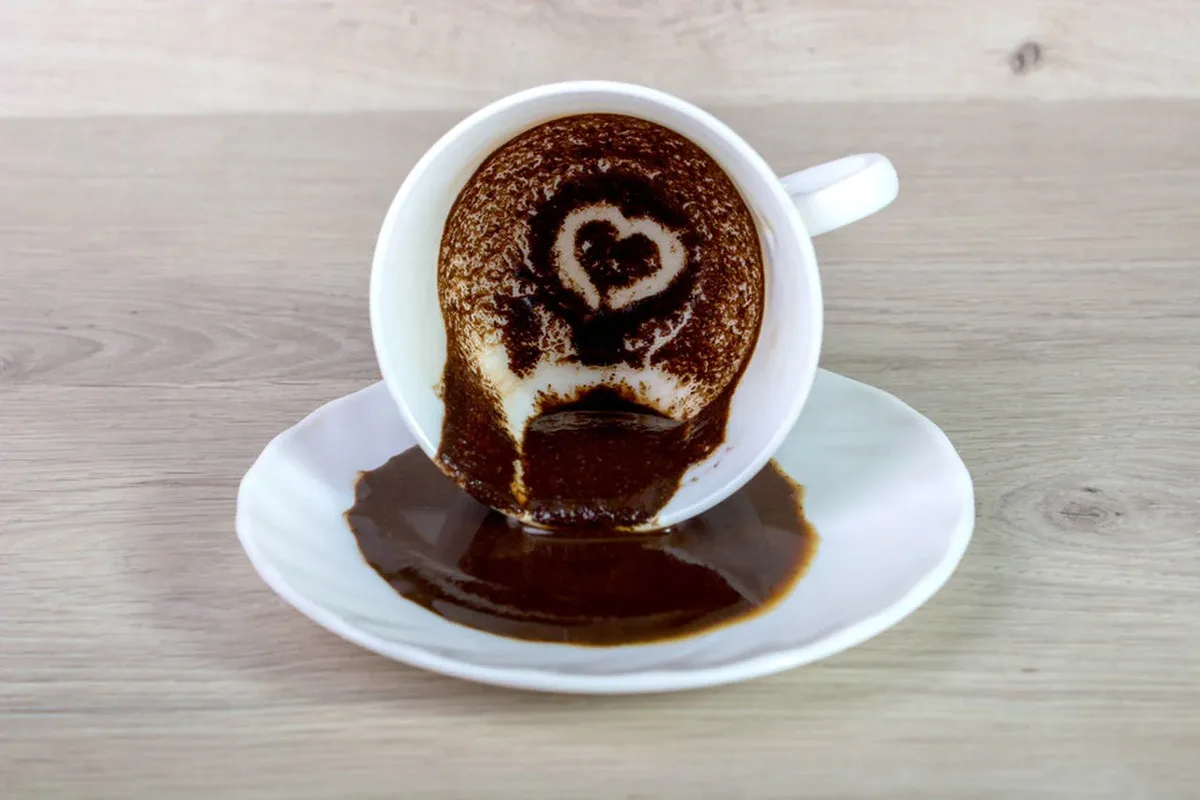
The symbols in a Turkish coffee cup and what they traditionally mean — 64 fal symbols, cup zones, and how a reading actually goes.
Traceability vs balance, Mocha-Java (the oldest recorded blend), why most espresso is a blend, and when each makes sense.
Why high-grown coffee tastes brighter, what SHB and SHG mean on a sack, and how altitude changes the roast.
Brightness vs sourness, chlorogenic, citric and malic acid, and what makes a coffee low in acid.
What body and mouthfeel are, where tasting notes come from, how the flavor wheel works, and what changes them.
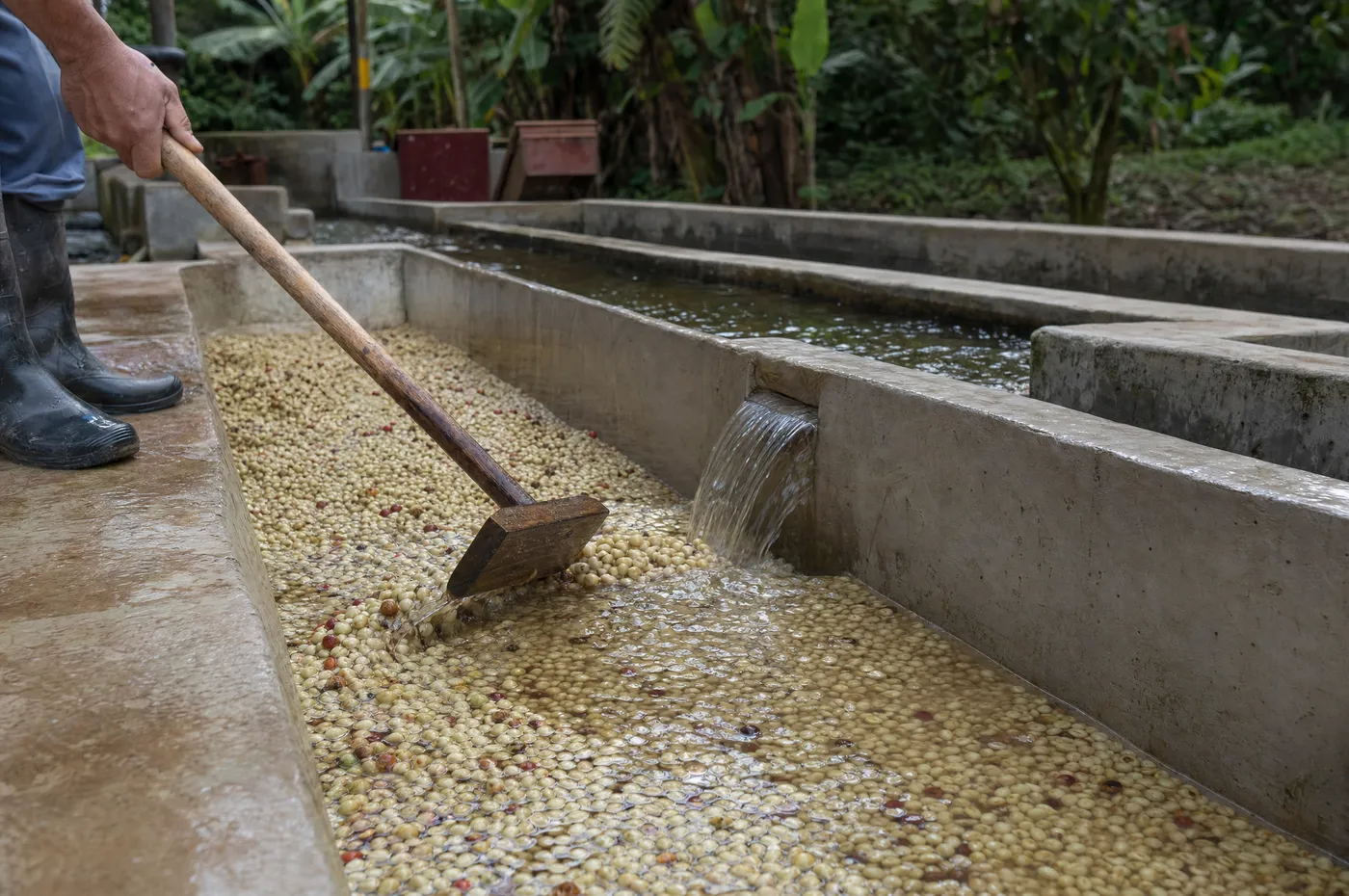
Washed, natural and honey process explained, how each changes the cup, and the 1798 book that first wrote down washed coffee.
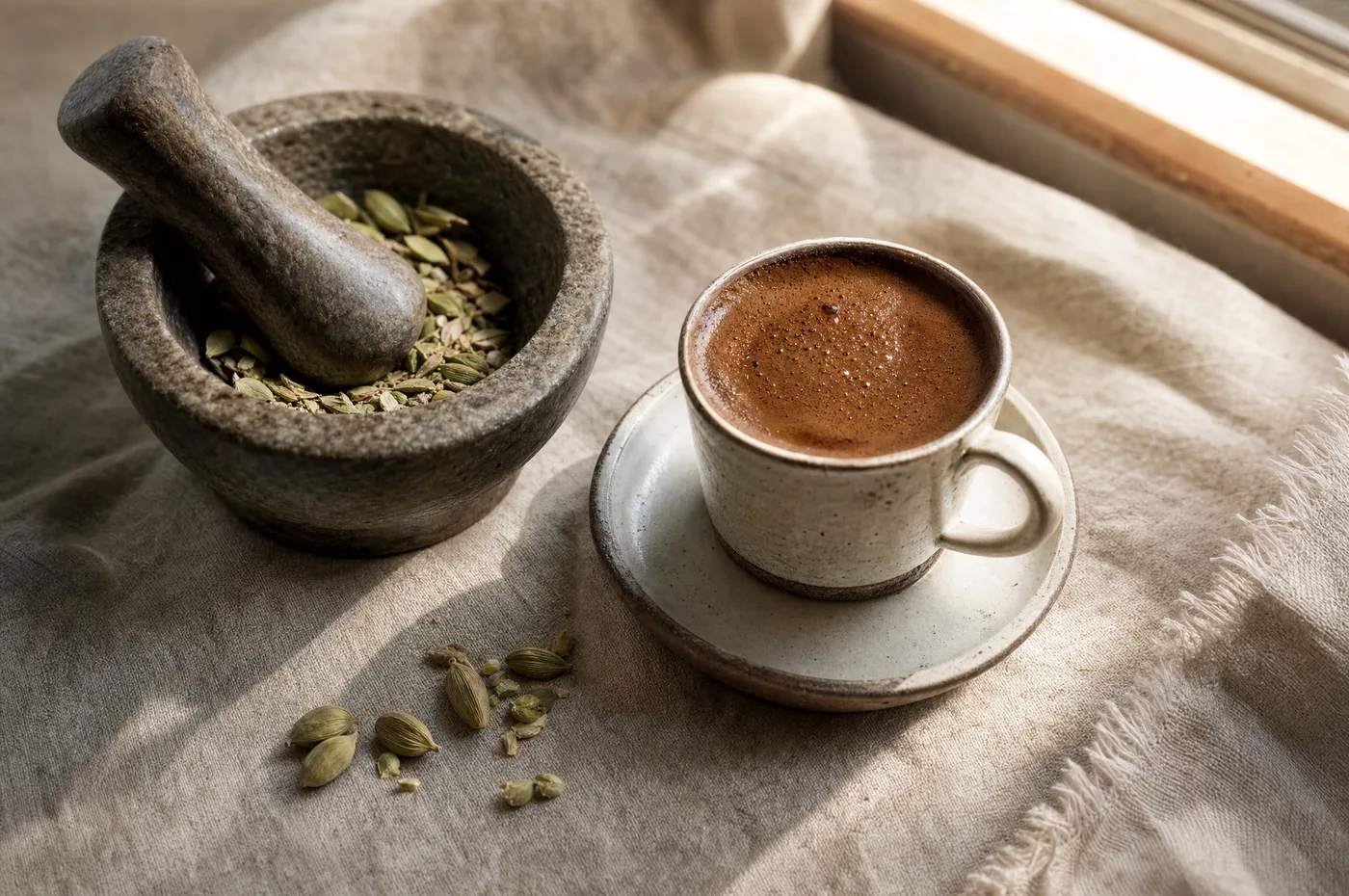
What cardamom coffee tastes like, where it comes from, how much cardamom to use, and how to brew it in a cezve or the coffee maker you already own.
Why cinnamon clumps in coffee and how to stop it, how much to use, café de olla and other cinnamon coffees, and how to make it in a cezve.
What sets Bosnian coffee apart, what a džezva is, how to make it the Bosnian way, and how it is served and drunk.
What soorj is, the jazzve it is made in, how to make it, the cardamom question and the custom of reading the cup.
How one way of brewing traveled from Yemen and Istanbul across the Ottoman lands, and the names and pots it took on the way.
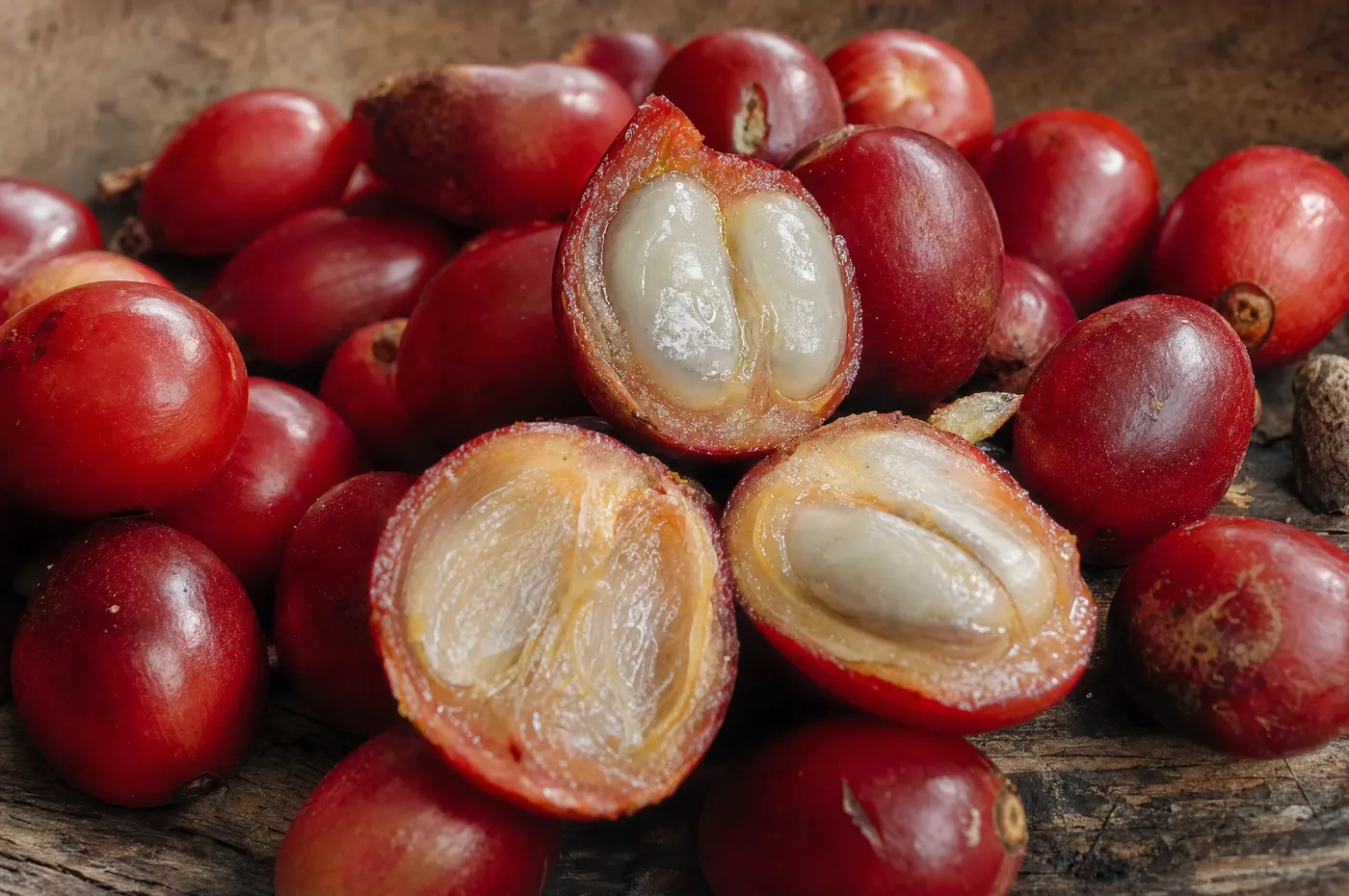
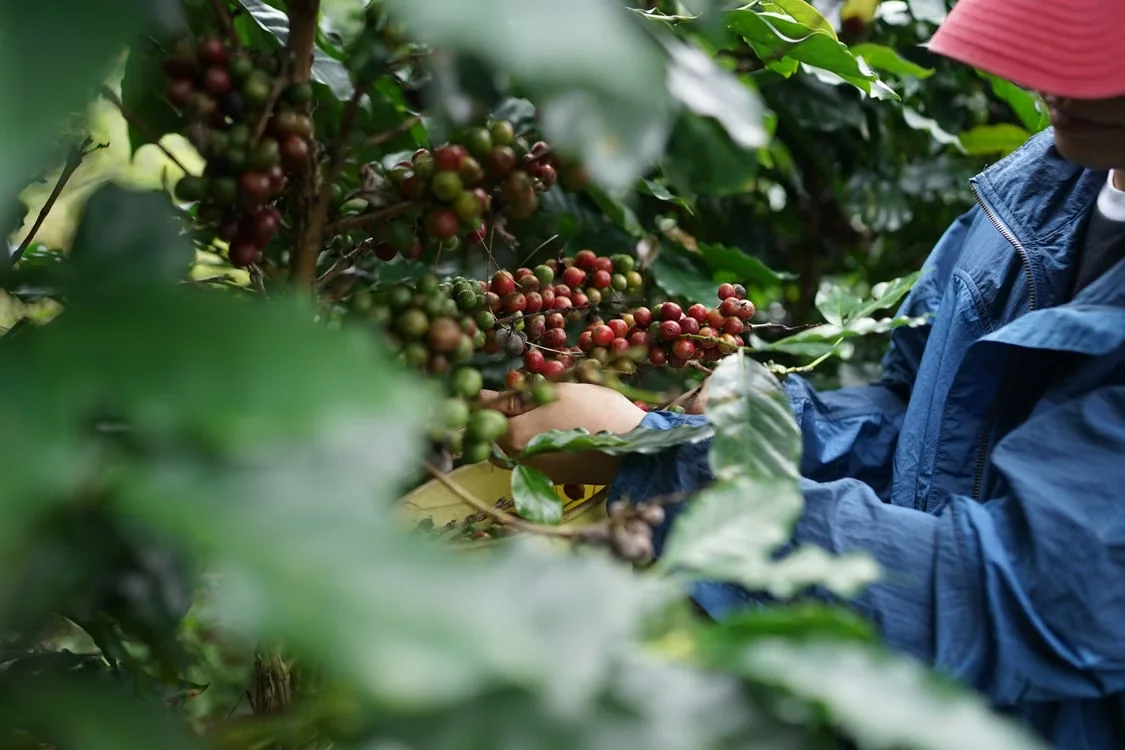
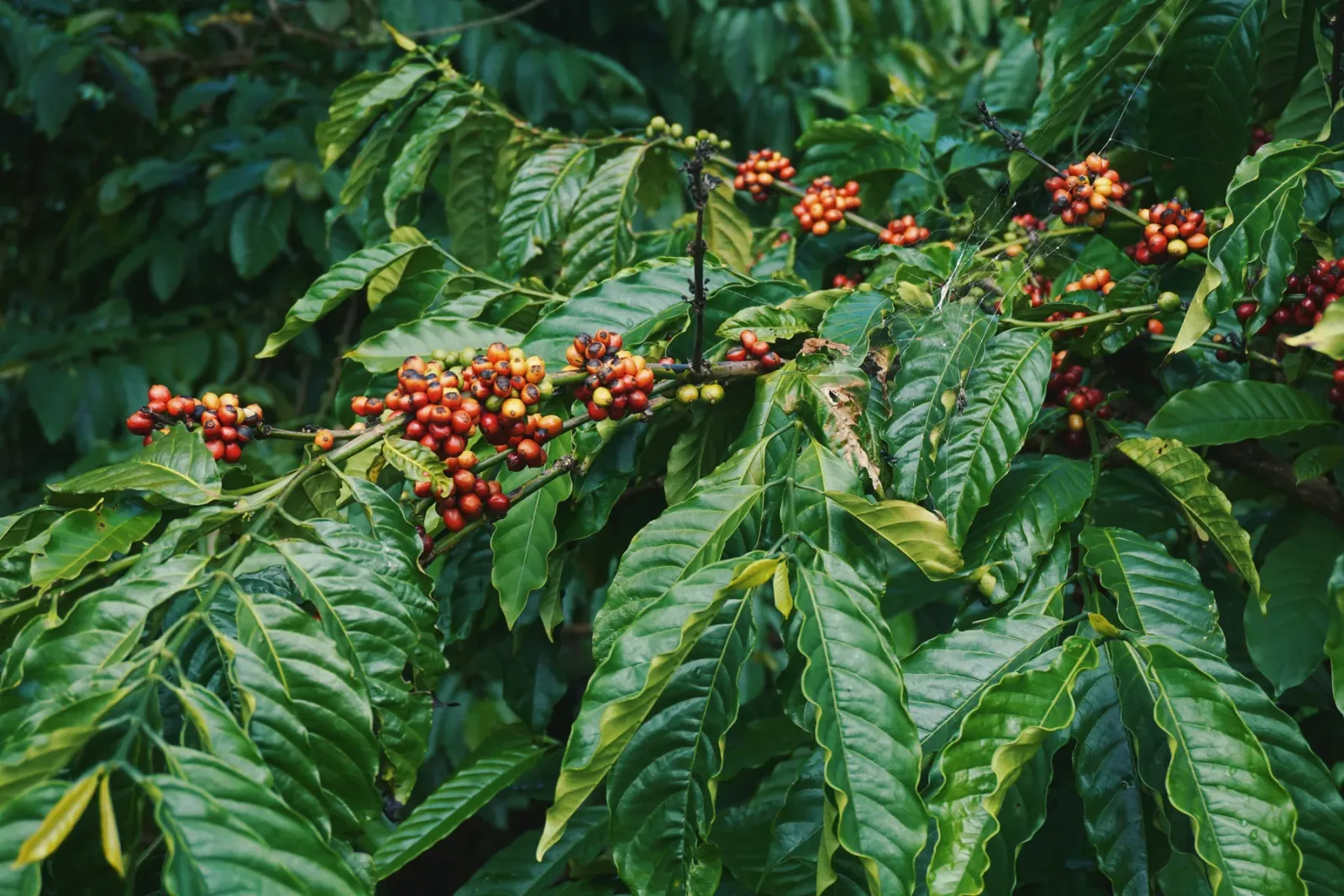
The plant, the cherry, the coffee belt, the goat legend, and the monks in Yemen who made coffee a drink.
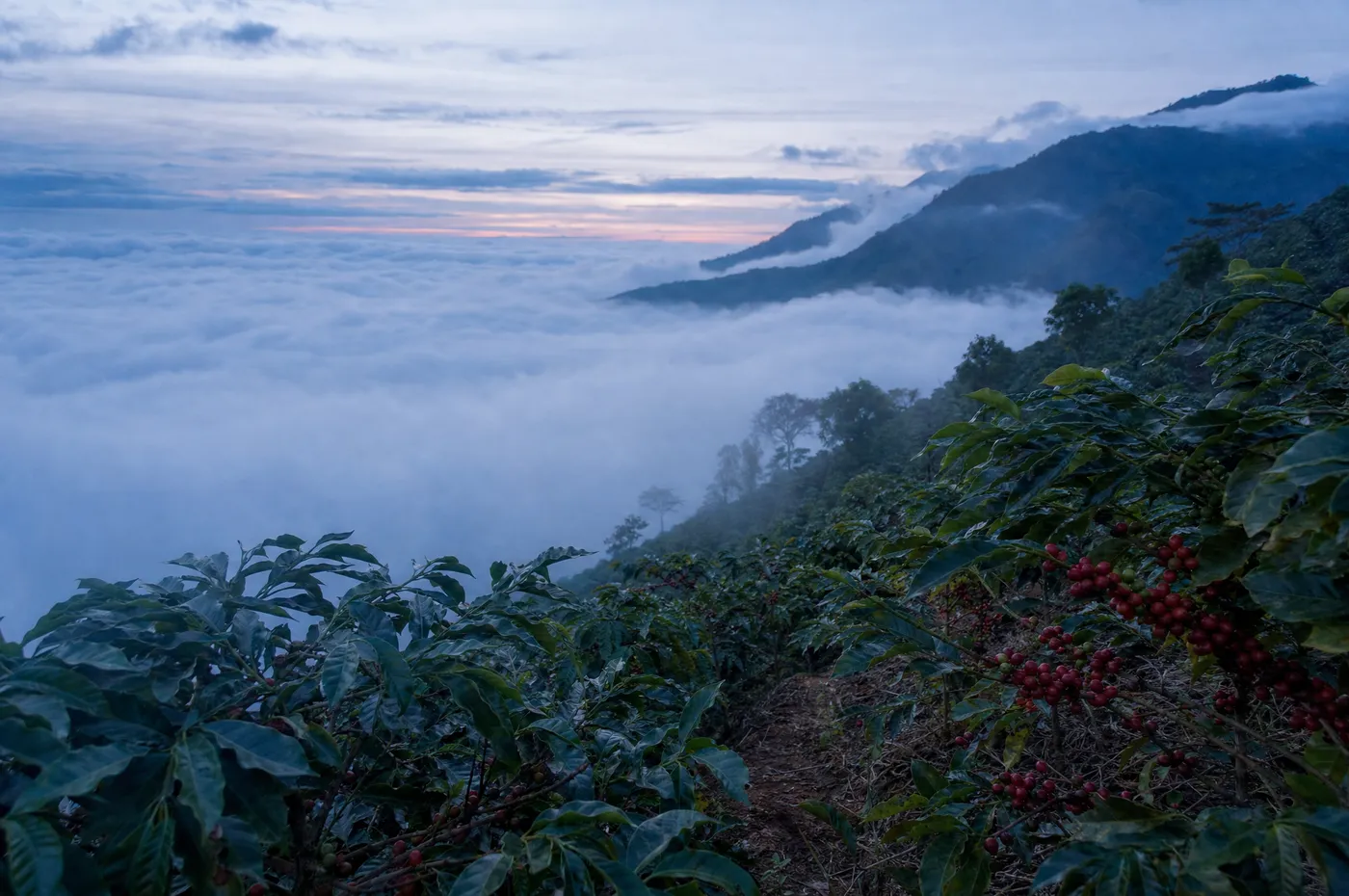
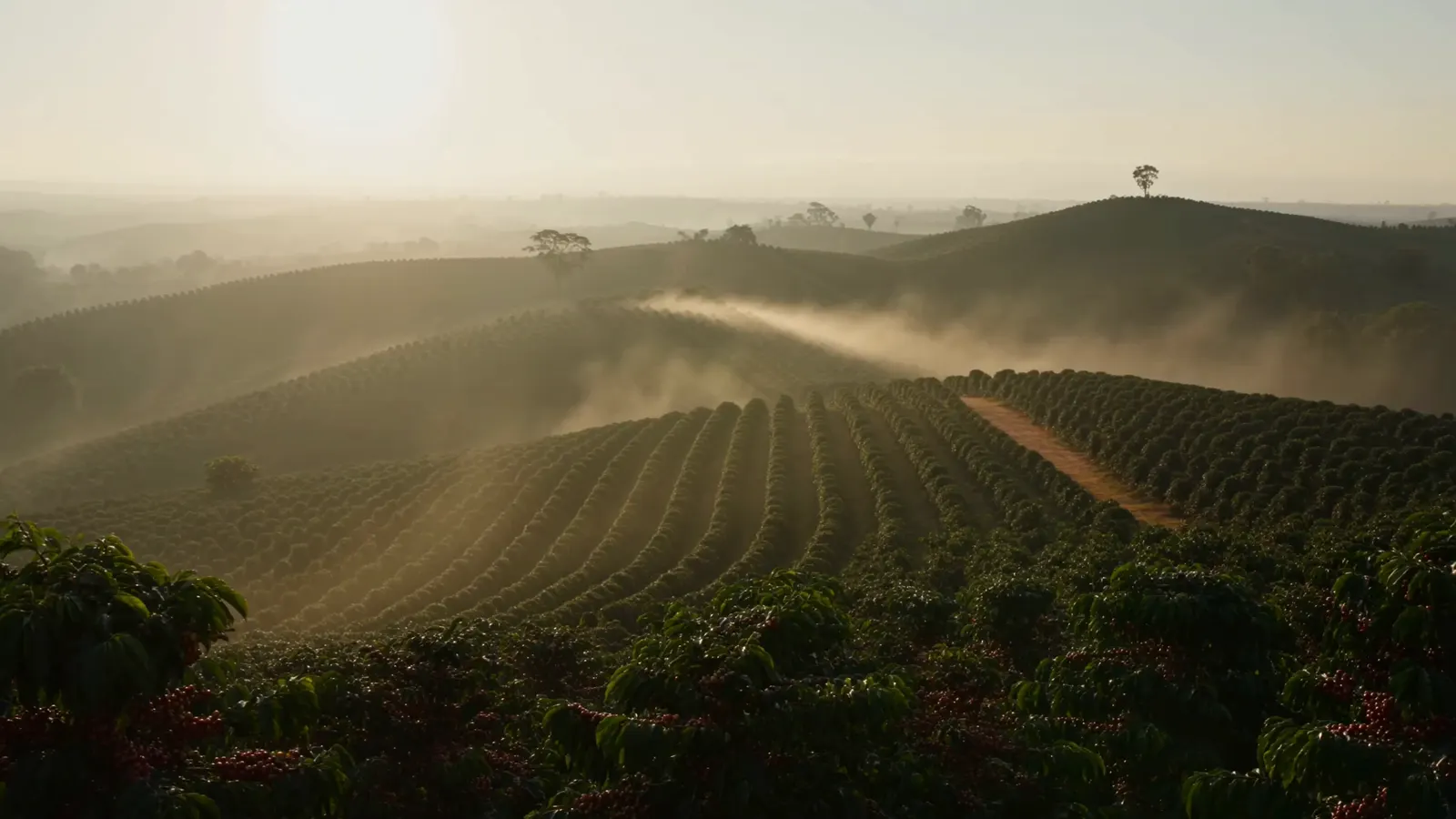
The coffee belt, the five big growing regions, and what each one tends to put in the cup.
Where arabica began, the legend of Kaldi, heirloom varieties, the famous regions, washed vs natural, and the jebena ceremony.
How Brazil became the giant of coffee, where it grows, how it is processed, and why roasters build blends on it.
Species, caffeine, taste, altitude and price compared, plus what 100% arabica and specialty grade mean.
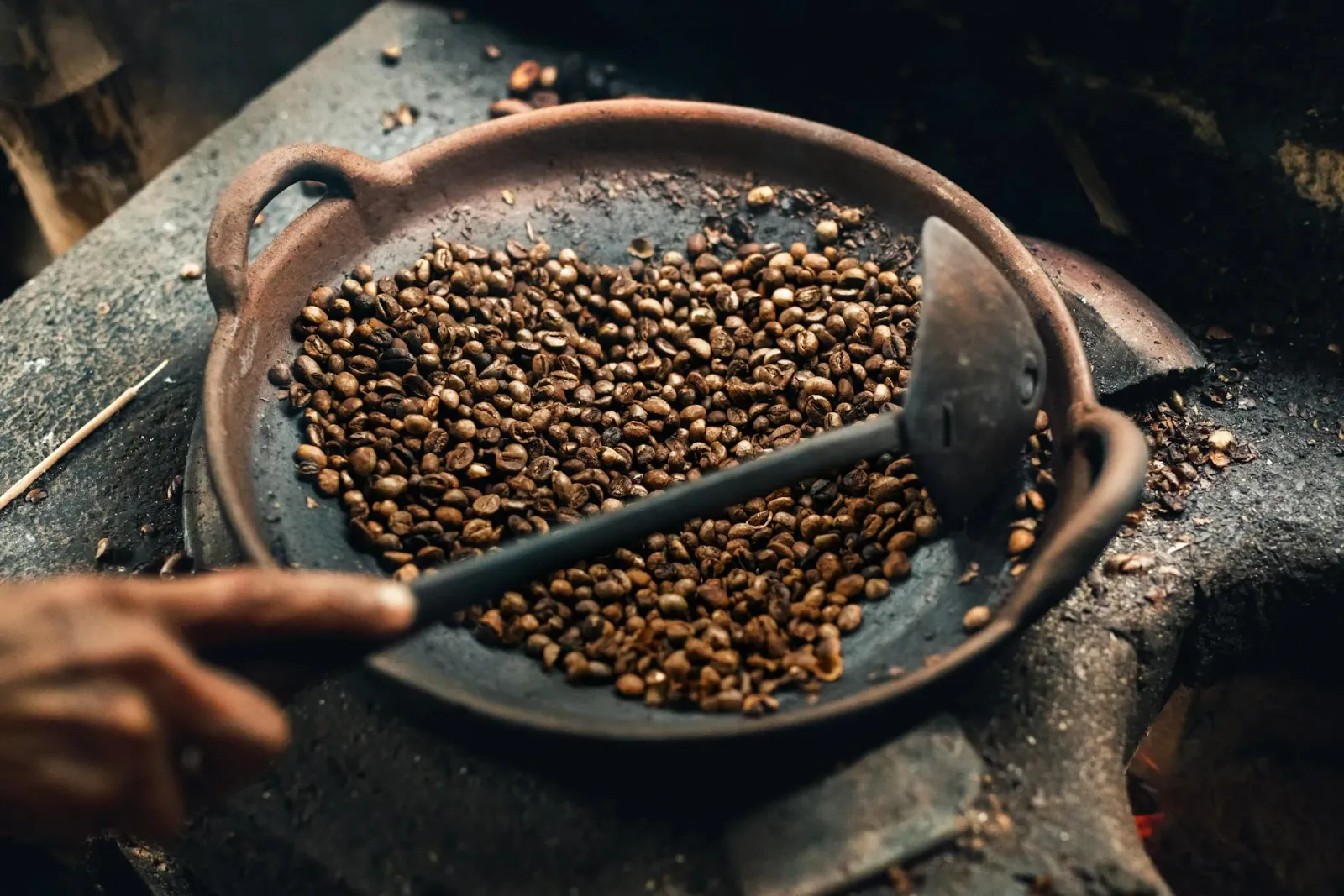
What happens in the roaster, the caffeine question, acidity and body, and why a blend might roast two coffees to two levels.
Gulf qahwa and the Lebanese cup: what each is, both recipes, the dallah and the rakweh, the etiquette, and which coffee to buy.
How to make Greek coffee in a briki, what sketos, metrios and glykos mean, how it differs from Turkish coffee, and which brands to buy.
From a café at the 1876 Centennial Exhibition to the coffeehouses of Little Syria, and why more Americans are brewing Turkish coffee at home now.
How coffee moved from Yemen to Ottoman cities through Mocha, the Red Sea, Cairo, Damascus, Aleppo, and Istanbul.
The complete bean guide — Arabica vs Robusta vs Liberica vs Excelsa, the specialty grading ladder, and the best origins and roast for Turkish coffee.
A simple look at specialty grade beans, freshness, and in-house roasting.
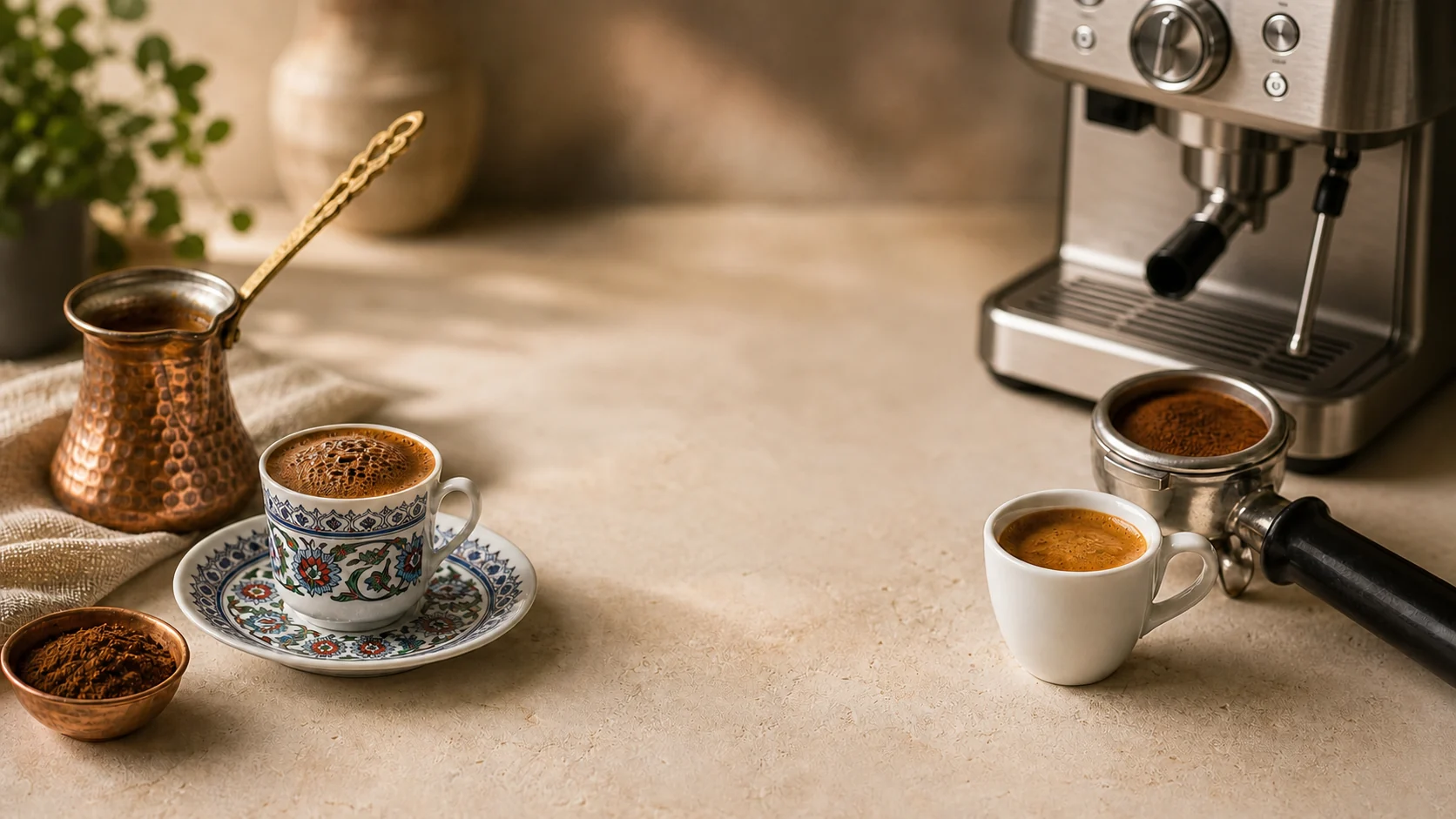
A short comparison of Turkish coffee and espresso through their history, tools, and brewing methods.
About 50-65 mg per small cup - espresso-level caffeine in a slower, unfiltered ritual. Full comparison vs espresso, drip, and cold brew.
The best cezve for most kitchens, copper vs stainless, sizes, induction, and what to spend.
For the coffee lover who has everything.