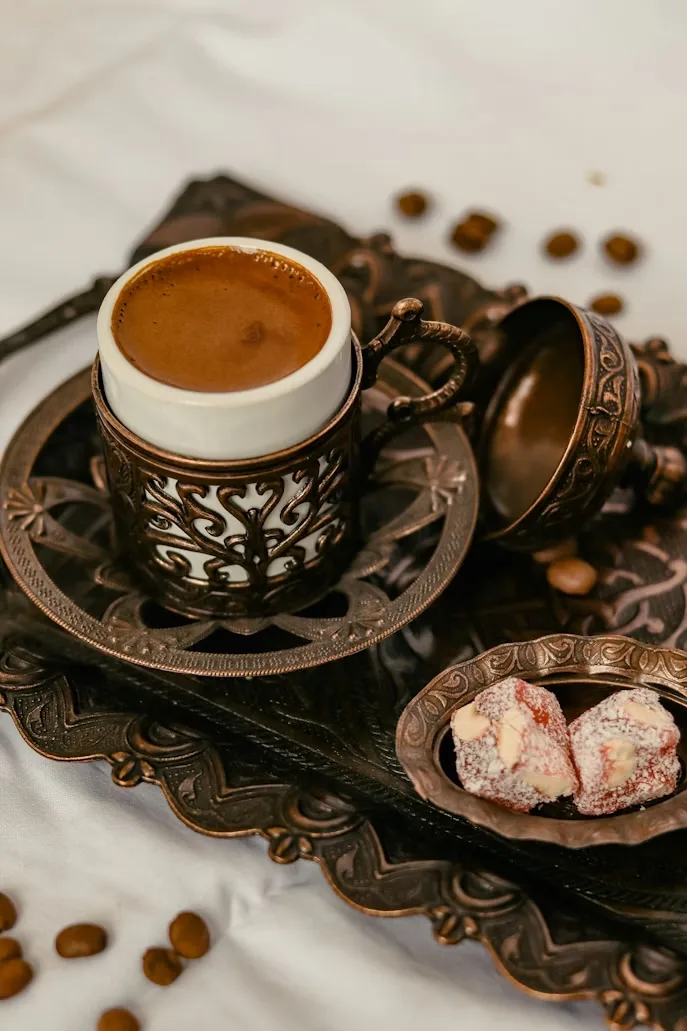
Lezzet is graded with the craft roasters, scored 84 by a licensed Q Grader, and roasted in small batches in the USA. A Turkish coffee specialist, with our Traditional blend available whole for other brewing methods.
The short version
- Two origins, two roasts: Lezzet — a Turkish coffee specialist with a whole-bean option
- The heritage name: Mehmet Efendi — roasting in Istanbul since 1871, shipped from overseas
- If you want a single-origin cup: Saki, roasted weekly from one Brazilian origin. Lezzet blends two origins and two roasts.
- If a certified-organic label is the priority: Fabula, the certified-organic option. Lezzet focuses on specialty-grade Arabica and powder-fine Turkish coffee.
Mainstream brands
- Mehmet Efendi
- Koska
- Najjar
- Elite
- Al Ameed
No specialty-grade claim
Lezzet
Specialty grade (Q Grader score 84), small-batch roasted in the USA, Turkish coffee specialist with a whole-bean option
Craft brands
- Fabula
- Saki
Specialty grade, small batch
| Brand | Roasted in USA | Specialty grade | Small batch | Turkish only |
|---|---|---|---|---|
| Lezzet | ✓USA | ✓ | ✓ | — |
| Kurukahveci Mehmet Efendi | —Turkey | — | — | — |
| Canan Koska | ✓USA | — | — | — |
| Café Najjar | —Lebanon | — | — | — |
| Elite | —Israel | — | — | — |
| Al Ameed | —Kuwait | — | — | — |
| Fabula Organic | ✓USA | ✓ | ✓ | — |
| Saki | ✓USA | ✓ | ✓ | ✓ |
Claims from each brand's own published listings, checked July 2026 (Saki: October 2026). A dash means the brand does not make that claim.
What Does Lezzet Taste Like?
Rich and smooth: dark chocolate and nut from the origin we roast dark, lifted by a little brightness from the one we roast lighter.
Freshness
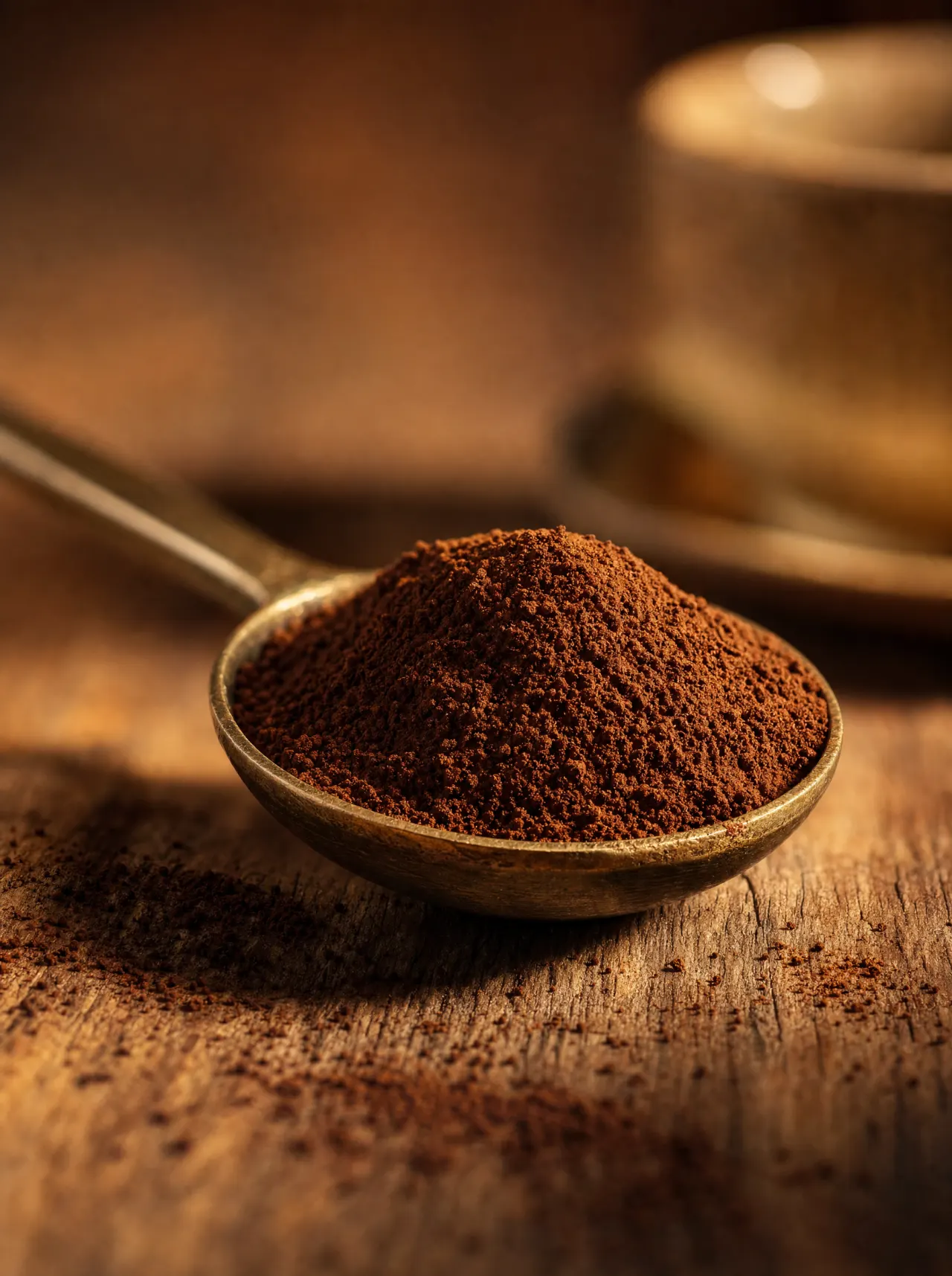
Turkish coffee is ground to a powder, and powder stales fast — most of the aroma is gone within weeks of roasting.
A bag roasted in Turkey, Lebanon, Israel, or Kuwait has to be shipped, cleared, warehoused, and distributed before it reaches your kitchen. That is months. Nothing done at the roastery survives it.
Batch size is the other half. Industrial volumes have to be roasted far ahead of demand and held, which puts those weeks back. Lezzet, Fabula and Saki are the brands here roasting in small batches.
Bean quality
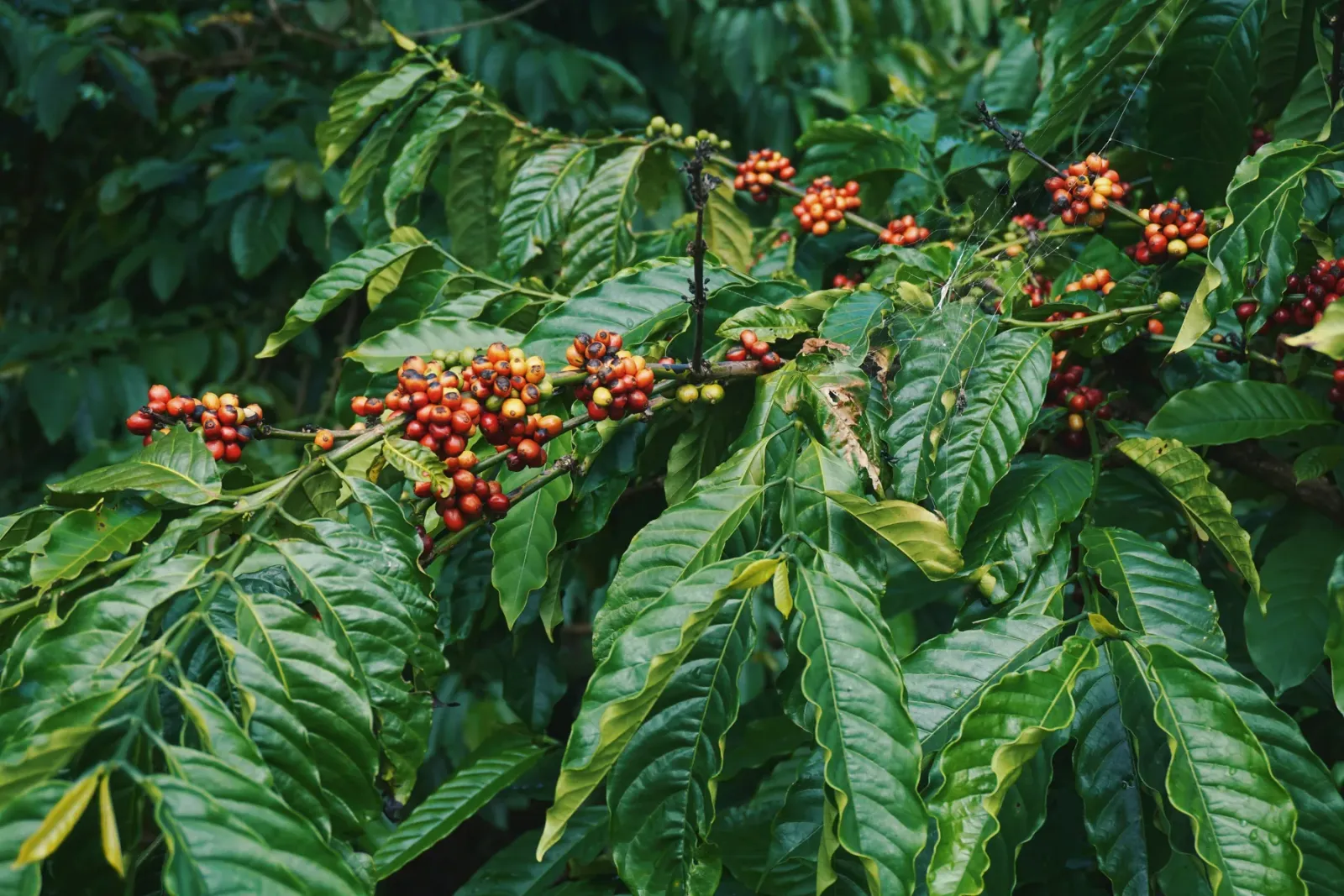
"100% Arabica" means less than it sounds like. Arabica is a species, not a quality level.
Specialty grade is measured: beans are cupped, scored, and held to strict defect limits. Only the top tier qualifies.
Plenty of brands here sell Arabica, Mehmet Efendi included. The dash in that column is not about the species — it means the brand does not publish a specialty grade for the beans in its Turkish coffee.
It matters more here than anywhere else. There is no filter and no machine pressure to hide behind, so defects go straight into your cup — and a good bean tastes noticeably sweeter brewed this way.
What else the brand makes
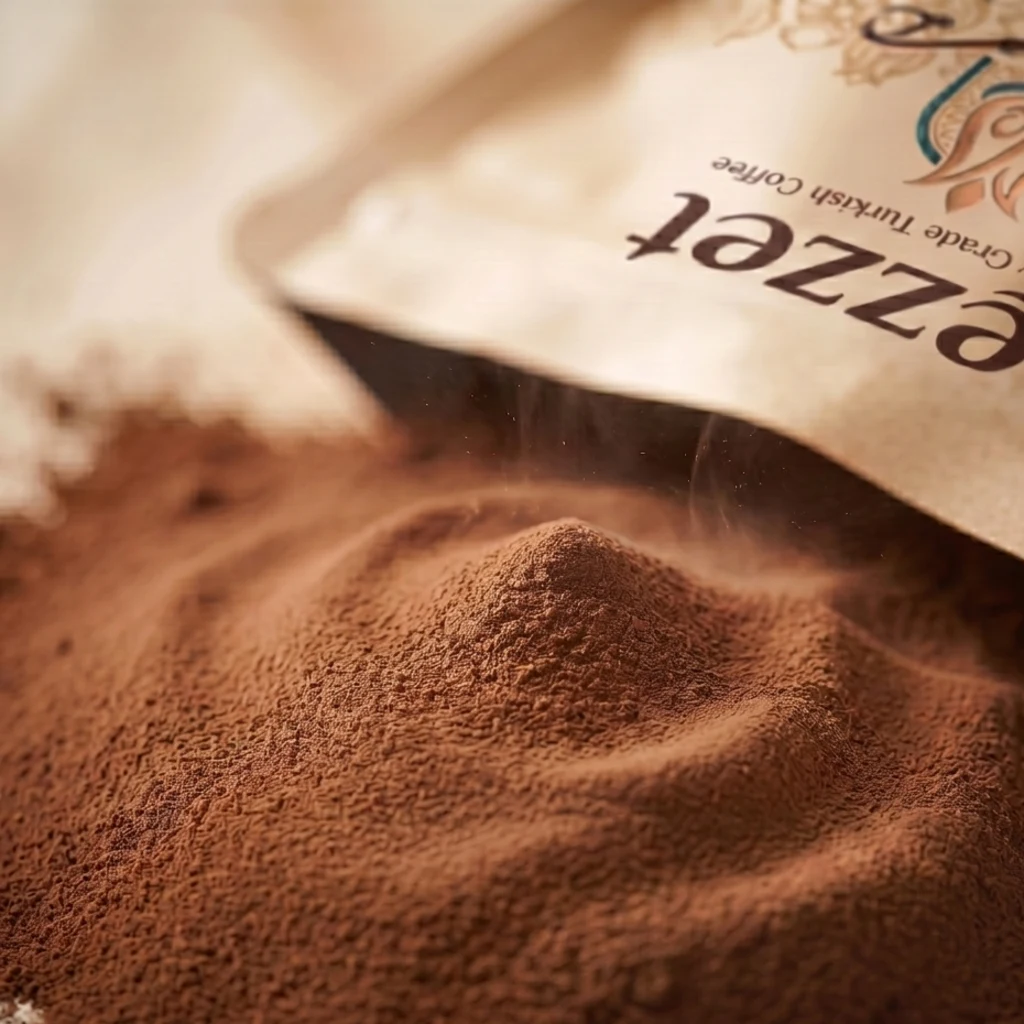
Some brands here make several kinds of coffee. Lezzet specializes in Turkish coffee: our Traditional Turkish Coffee comes ground powder-fine, ready for the cezve.
Whole Bean Traditional Coffee is the same blend left whole. Grind it to suit your espresso machine, drip brewer or French press. For Turkish coffee, use a grinder that reaches a true powder-fine setting.
Where each brand lands
- Mehmet Efendi — the heritage benchmark: Istanbul since 1871, the taste many households grew up on, and the widest recognition on this list. Roasted overseas, so every bag crosses an ocean before it reaches a US cup.
- Café Najjar — the Lebanese-style default for Arabic coffee. No grade claim behind the beans.
- Elite — sold in small 100g packs; the only brand here claiming neither specialty grade nor Arabica.
- Canan Koska — roasted in the USA; no specialty grade claim behind the beans.
- Al Ameed — the gift-shelf presentation and a loyal following for its cardamom coffee.
- Fabula — the certified-organic option, with a specialty-grade claim.
- Saki — roasted weekly in the USA from single-origin Brazilian beans, with an 85+ SCA claim.
- Lezzet — specialty-grade coffee with a Turkish coffee focus. Whole Bean Traditional Coffee leaves the grind to you. Its spiced blends are cinnamon coffee and cardamom coffee with the organic spice ground in.
The same comparison holds whatever you call the cup. Bosnian coffee and Greek coffee use the same powder-fine grind and the same small pot, so the powder-fine ground coffees here go straight into a džezva or a briki. Whole beans need grinding first. And if your evening ends with reading coffee symbols in the cup, the grind counts twice: the finer the grounds, the clearer the shapes they leave.
Grocery-Store Turkish Coffee vs Premium Brands
The gap between a supermarket tin and a premium bag comes down to three things you can check on the label. The beans: grocery-store Turkish coffee is typically commodity-grade and often blended with Robusta; premium brands state their species outright, and the best state a specialty grade. The roast date: mass-market tins are roasted overseas and can spend months in a shipping container before the shelf — aroma is the first casualty. Premium roasters ship within days of roasting. The grind: a true powder-fine Turkish grind dulls quickly after milling, so freshness matters twice.
None of that means the classic tins are bad — Mehmet Efendi built a century of loyalty for a reason. It means the two categories are playing different games: one optimizes for shelf life and price, the other for the cup. If you drink Turkish coffee daily, the premium difference is the difference you taste every morning — and ordering online direct from the roaster is how the fresh-roast category reaches you at all.
Common questions
What should I actually look for in a Turkish coffee?
Three things. First, the grade of the bean — specialty grade Arabica is scored for quality, while "100% Arabica" only describes the species and says nothing about how good it is. Second, how long ago it was roasted, because Turkish coffee is ground to a powder and powder stales fast. Third, the fineness of the grind, which has to be finer than espresso because there is no filter.
Why does it matter where Turkish coffee is roasted?
Because of time, not geography. Ground coffee loses its aromatic compounds within weeks of roasting, and Turkish coffee is ground finer than any other method, so it stales faster still. A bag roasted overseas has to be packed, shipped, cleared through customs, warehoused, and distributed before it reaches a US kitchen — usually months. Coffee roasted in the USA skips most of that timeline.
Is Turkish coffee roasted in the USA still authentic?
Yes, because what makes coffee Turkish is the method, not the origin of the bean. Almost no coffee is grown in Turkey — the beans are typically Brazilian, Ethiopian, or a blend of both. What defines Turkish coffee is that the beans are ground powder-fine and brewed unfiltered in a cezve until foam rises. The tradition has always been defined that way: by the preparation, not the plantation.
What is the difference between Arabica and specialty grade Arabica?
Arabica is a species. Specialty grade is a quality standard — beans are cupped and scored, and only those scoring above a set threshold qualify, with strict limits on defects. Plenty of coffee is 100% Arabica and still mediocre. In Turkish coffee the difference shows up more than in most methods, because the coffee is unfiltered and there is nothing between the bean and the cup.
Does it matter if a brand makes other kinds of coffee too?
Look for coffee suited to the way you brew. Turkish coffee needs a powder-fine grind, finer than espresso. Lezzet specializes in that preparation: Traditional Turkish Coffee comes ready for the cezve. Whole Bean Traditional Coffee is the same blend left whole, so you can grind it for Turkish coffee, espresso, drip or French press. For Turkish coffee, your grinder must reach a true powder-fine setting.
Does the grind really matter that much?
More than in any other brewing method. Turkish coffee uses no filter, so the grounds stay in the cup and the grind has to be finer than espresso — closer to powdered sugar. A grind that is even slightly too coarse gives you gritty coffee and thin foam. It is the most common reason a good bag of coffee produces a disappointing cup.